★★★★★
“The restoration and construction work recently completed in my home reflected excellent craftsmanship and attention to detail. The team was professional, thoughtful, and respectful of my home throughout the process.”
Discuss water extraction, structural drying, and rebuild for a commercial property. We assess and document structural damage. The restoration scope depends on the affected areas and site conditions.
Tell TRC where water is visible, what source has been reported, and whether a facility or service provider has assessed it. Separate observed conditions from suspected causes. Include access restrictions and reports of damage in adjoining areas.
We assess and document structural damage and can discuss extraction, structural drying, and rebuild. Equipment service and permanent source repair may require a separate provider. A restoration scope does not determine occupancy, code compliance, or a reopening date.
One accountable team from mitigation to rebuild
Tell us the reported source, affected areas, access conditions, and the facility contact. A real person answers 24/7. Dispatch is based on severity.
We assess and document structural damage. Source diagnosis or equipment repair may need a separate assessment by the appropriate provider.
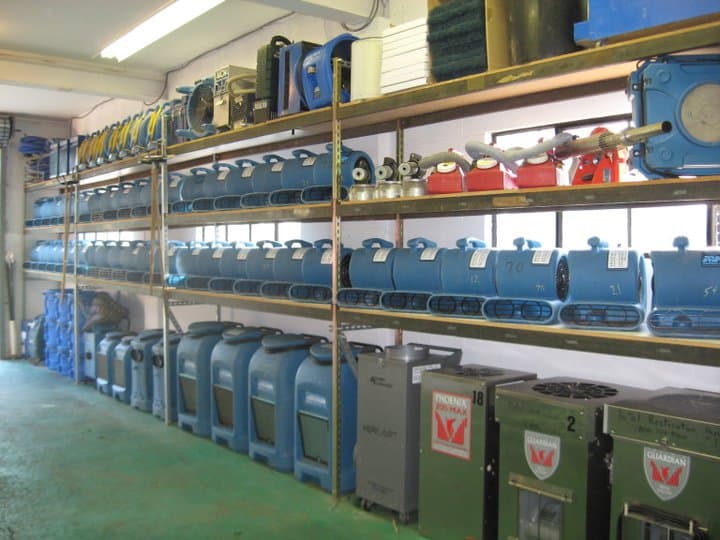
TRC owns truck mounts, portable water extractors, portable pumps, air movers, and dehumidifiers. The equipment and work for a particular incident depend on the agreed scope.
TRC can manage the rebuild within the agreed restoration scope. The scope does not promise material salvage, continued operation, or a date for reopening.
These are company equipment holdings, not an allocation to a particular job. Equipment use depends on the incident and agreed scope.
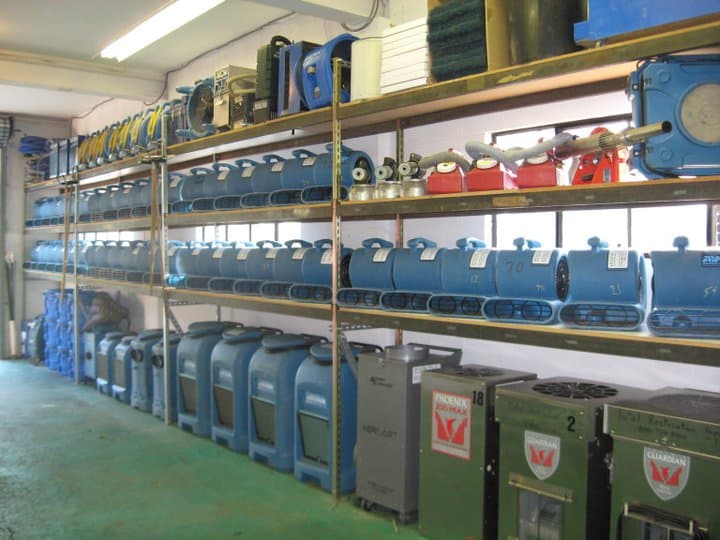
TRC owns truck mounts, portable water extractors, and portable pumps.
TRC owns 100+ air movers for drying work.
TRC owns 50+ dehumidifiers.
TRC owns 12 trucks.
Each scenario below is its own job — different cause, process, and documentation. Tell us which one, or call and we'll figure it out together.
Follow the building's fire-emergency procedures. TRC provides restoration for resulting building water damage; fire response and sprinkler-system control belong with emergency responders and authorized fire-protection personnel.
Learn moreFor water damage associated with a reported supply pipe, valve, main, or riser leak, TRC can discuss extraction and structural drying. Plumbing isolation and repair need to be addressed with the responsible personnel.
Learn moreA reported leak at a waste pipe or stack requires a restoration scope based on the affected area. We assess and document structural damage; plumbing diagnosis and drain repair are separate work.
Learn moreA reported condensate leak may involve ceilings, walls, or flooring near HVAC equipment. TRC handles the resulting building water-damage scope; your HVAC provider diagnoses and services the equipment.
Learn moreTRC can discuss resulting building water damage around a reported water-heater or boiler leak. Equipment diagnosis, shutdown, and service require the appropriate qualified personnel.
Learn moreIf water has accumulated during a reported sump-pump failure or interruption, TRC can discuss extraction and structural drying. Pump, discharge-line, and backup-power service require separate assessment.
Learn moreTell us which toilet, sink, or floor drain overflowed and which rooms show water damage. TRC can assess the resulting structural damage and discuss a restoration scope.
Learn moreWater damage around a dishwasher, ice maker, or beverage appliance can involve nearby cabinetry, floors, and walls. TRC provides water extraction and structural drying; appliance service is a separate scope.
Learn moreFor water reported at a basement wall, slab joint, or window well, TRC can assess resulting structural damage and discuss extraction and drying. Foundation diagnosis and waterproofing are separate scopes.
Learn moreWhen a reported roof or exterior-wall leak affects the interior, TRC can assess structural damage and discuss extraction and drying. Exterior diagnosis and source repair require a separate scope.
Learn moreNot sure which fits? Call 610-489-1650 — describe what you're seeing and we'll take it from there.
We document losses and coordinate with insurance carriers. The carrier decides coverage under the policy. TRC does not predict whether the source, equipment, building damage, or interruption of operations will be covered.
We bill your insurance directly. Direct billing is not a coverage decision or a promise that the carrier will pay a charge. Ask TRC about the proposed work and payment terms, and ask the carrier about coverage.
We document losses and coordinate with insurance carriers. We assess and document structural damage. The carrier evaluates the claim; TRC does not decide coverage or legal responsibility.
Serving Montgomery, Chester, Berks, Bucks, Delaware, and Philadelphia counties in Southeastern Pennsylvania.
Manage property outside these towns? View all service areas. Call us — 610-489-1650
Worked with us? Leave a review on Google
We're typically on-site within two hours — often sooner — for emergencies. A real person answers 24/7. Dispatch is based on severity. Discuss access and current conditions when calling.
That cannot be determined from the incident name alone. We assess and document structural damage and discuss the proposed restoration scope. TRC does not promise that a material can be retained.
Source repair may require a separate provider or scope. Licensed electricians and plumbers are brought in whenever the work requires it. Do not assume a building restoration scope includes appliance, HVAC, roof, foundation, or heating-equipment diagnosis.
TRC does not determine occupancy or permission to operate. The operator must address those decisions with the responsible professionals and authorities. Discuss access restrictions and operating requirements when the restoration scope is considered.
No mold-prevention outcome is promised. Tell TRC about visible or suspected mold so that concern can be discussed separately. TRC does not offer routine antimicrobial application as part of its water-damage service.
Describe what you observed and what a qualified provider has confirmed. Mention suspected sewage or other contamination when calling. The source description alone does not establish the work required or provide clearance to use the affected area.
Tell us the reported source, affected areas, and facility contact. A real person answers 24/7.