★★★★★
“The restoration and construction work recently completed in my home reflected excellent craftsmanship and attention to detail. The team was professional, thoughtful, and respectful of my home throughout the process.”
After fire officials release the relevant work area, TRC can assess and document structural damage, address an agreed fire-and-smoke restoration scope, and manage included building repairs. Site conditions and the responsible authorities control access, occupancy, and reopening.
A commercial fire may leave open building areas, suppression water, soot, smoke odor, damaged finishes, and affected contents. The extent differs by incident. Fire officials and any required qualified professional control access to the affected area.
TRC assesses and documents structural damage and discusses the restoration work that belongs in its scope. The assessment does not determine structural stability, electrical safety, code compliance, occupancy, insurance coverage, or a reopening date.
One accountable team from mitigation to rebuild
We're typically on-site within two hours — often sooner — for emergencies. After fire officials release the relevant work area, TRC assesses and documents structural damage and discusses board-up, tarping, or shoring included in the scope. Qualified professional direction is handled case by case when the project requires it.
If the incident includes suppression water, TRC can scope extraction and structural drying. Work performed to IICRC S500 standards applies to that water-damage scope; it is not an occupancy or mold-prevention determination.
TRC documents losses and can discuss contents inventory and storage. TRC has its own storage facility and may use third-party storage. Define custody, movement, and return responsibilities before contents leave the property.
TRC can clean affected accessible building surfaces. Duct cleaning may be performed in-house or subcontracted when included. TRC uses ozone, hydroxyl, thermal fogging, and Vapor Shark; method selection and site controls depend on the project.
TRC develops an agreed scope for materials that require removal and can manage included reconstruction work. The owner, carrier, authorities, and qualified professionals retain their separate review and decision roles.
The work and method for a particular property depend on the assessed conditions and agreed scope. Method choice does not determine indoor conditions, safety, occupancy, or code compliance.
TRC performs some hood and duct cleaning in-house and may subcontract that work, depending on the scope.
TRC uses ozone, hydroxyl, thermal fogging, and Vapor Shark. The selected method and site controls are project-specific.
TRC has its own storage facility and may also use third-party storage. The agreed scope should identify custody and movement responsibilities.
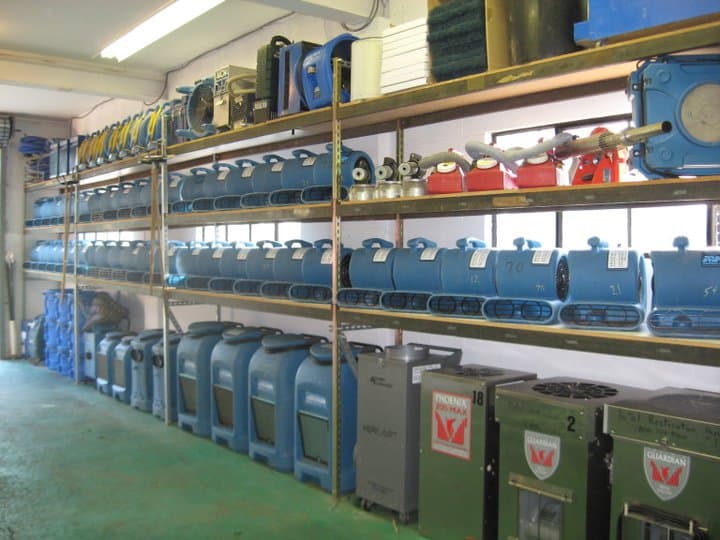
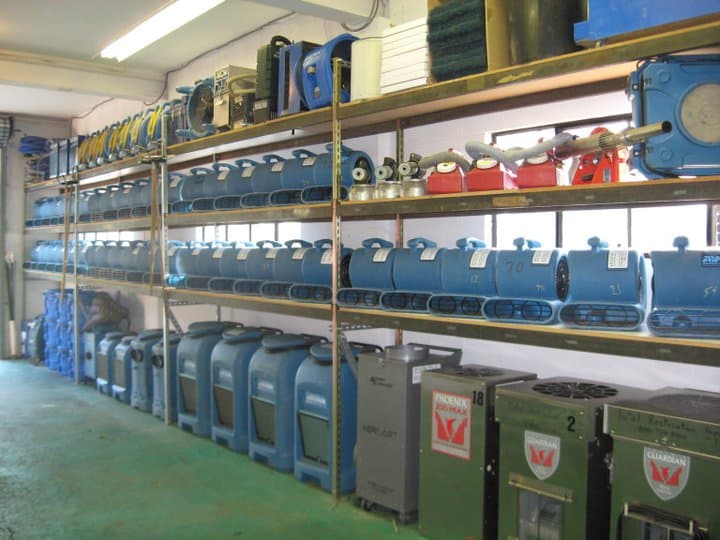
TRC owns 100+ air movers and 50+ dehumidifiers. Equipment used on a particular loss depends on the water-damage scope.
Each scenario below is its own job — different cause, process, and documentation. Tell us which one, or call and we'll figure it out together.
TRC can assess visible soot and odor conditions, clean affected accessible building surfaces, and select an odor-treatment method for the agreed work. The scope depends on the materials, affected areas, access, and building-system responsibilities at the property.
Learn moreAfter fire officials release the affected work area, TRC can assess and document building damage from fire, soot, smoke, and suppression water. Hood and exhaust-duct cleaning may be performed in-house or subcontracted; suppression-system, cooking-equipment, inspection, and reopening decisions remain separate.
Learn moreEven when visible flames appear limited, heat, electrical damage, and soot may extend beyond the apparent source. TRC addresses agreed building-restoration work; licensed electricians and appropriate equipment specialists make electrical and internal-equipment decisions.
Learn moreA reported furnace, boiler, or oil-burner puffback may leave oily soot in the mechanical area, connected rooms, or duct pathways. The actual extent must be assessed. TRC handles agreed building cleanup and duct cleaning; the mechanical provider diagnoses and services the equipment.
Learn moreTRC can document contents included in an agreed fire-loss scope and discuss storage at its own facility or with a third party. TRC does not offer document recovery or internal electronics restoration.
Learn moreAfter fire officials release the relevant work areas, TRC can close exposed openings, address suppression-water damage, provide included shoring, remove agreed damaged materials, and manage building repairs. Access and structural decisions remain with the responsible authorities and qualified professionals.
Learn moreNot sure which fits? Call 610-489-1650 — describe what you're seeing and we'll take it from there.
Coverage depends on the policy, cause of loss, exclusions, limits, and the carrier's review. We document losses and coordinate with insurance carriers. TRC does not predict coverage or claim payment.
TRC assesses and documents structural damage and documents the portions of the loss included in its agreed scope. The resulting record can support carrier review; it does not determine coverage, value, settlement, or approval.
We bill your insurance directly. This arrangement is not a coverage decision or a promise that the carrier will pay a charge. Ask TRC about the proposed work and payment terms, and ask the carrier about coverage.
Serving Montgomery, Chester, Berks, Bucks, Delaware, and Philadelphia counties in Southeastern Pennsylvania.
Manage property outside these towns? View all service areas. Call us — 610-489-1650
Worked with us? Leave a review on Google
We're typically on-site within two hours — often sooner — for emergencies. A real person answers 24/7. Dispatch is based on severity. Discuss fire-department restrictions, access, and current conditions when calling.
TRC does not make fire-scene release or occupancy decisions. Follow fire officials and the responsible qualified professionals or authorities. TRC begins its assessment in areas released for the proposed work.
TRC can assess accessible duct pathways and may perform or subcontract duct cleaning when that work is included. Any required testing or permission to occupy comes from the responsible independent professional or authority.
TRC uses ozone, hydroxyl, thermal fogging, and Vapor Shark. Method selection and site controls depend on the materials, affected areas, and agreed scope. Any required air testing or permission to occupy comes from the appropriate independent professional or authority.
Sequencing can be discussed for the assessed scope. TRC does not determine whether an area may remain occupied or operating and does not promise uninterrupted operations. The owner must address those decisions with the responsible authorities and professionals.
TRC assesses and documents structural damage and can perform shoring when included in the agreed scope. Qualified professional direction or sign-off is handled case by case. A licensed electrician determines electrical work and re-energization.
Tell us what happened, which areas fire officials have released, and who manages site access. A real person answers 24/7.