★★★★★
“The restoration and construction work recently completed in my home reflected excellent craftsmanship and attention to detail. The team was professional, thoughtful, and respectful of my home throughout the process.”
TRC assesses and documents storm damage, discusses project-specific tarping or board-up, addresses included water-damage work, and manages included rebuild trades. Weather, access, site conditions, and the agreed scope determine what work can proceed.
Wind, hail, rain, ice, lightning, or an impact can affect different parts of a commercial property. The observed conditions, not the storm label alone, determine whether the discussion involves temporary protection, water extraction and drying, specialty evaluation, or building repairs.
We assess and document structural damage. TRC discusses the work within its restoration scope but does not determine structural stability, electrical safety, code compliance, occupancy, insurance coverage, or when a property may reopen.
One accountable team from mitigation to rebuild
We're typically on-site within two hours — often sooner — for emergencies. Tell TRC about visible openings, standing water, electrical concerns, downed utilities, access restrictions, and any direction already issued by emergency authorities.
Tarping and board-up depend on weather, access, the damaged surface, the opening, and site conditions. Board-up is intended to close up an opening; a temporary measure does not mean that a building will remain dry, secure, or weatherproof.
When water extraction and structural drying are part of the agreed work, TRC selects equipment for the conditions. Work performed to IICRC S500 standards. That standard applies only to the agreed water-damage work; it does not determine safety, occupancy, or mold prevention.
We assess and document structural damage. Electrical, utility, roofing, equipment, engineering, and other specialty evaluations remain with the responsible qualified parties, as the project requires.
If TRC is retained for reconstruction, it manages the trades included in the agreed scope under one accountable team. The scope should identify who performs permanent roof work and other specialty repairs.
The site assessment and agreed scope determine the temporary-protection method and the equipment assigned. Ask TRC which limitations apply to the proposed tarp or board-up for your property.
TRC can discuss temporary roof protection after weather, access, roof condition, opening size, and other site conditions are considered. The method and extent are confirmed for the property after those conditions are assessed.
Board-up may be included to close up damaged doors, windows, storefronts, or other openings. The opening and site conditions determine the materials and method.
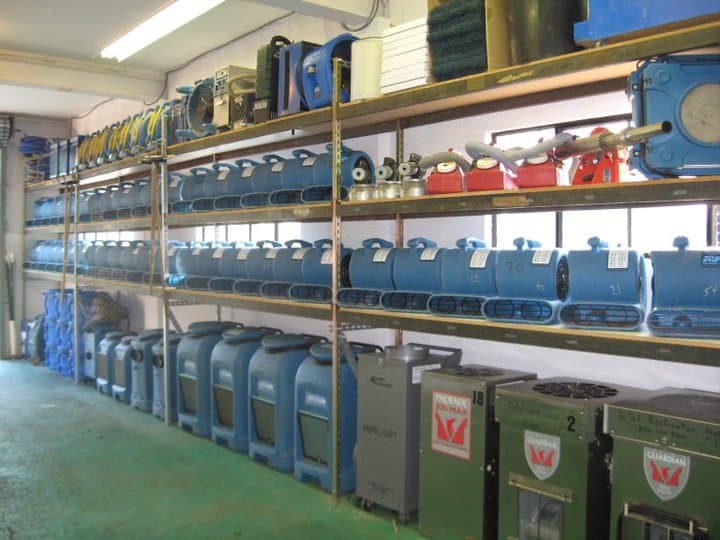
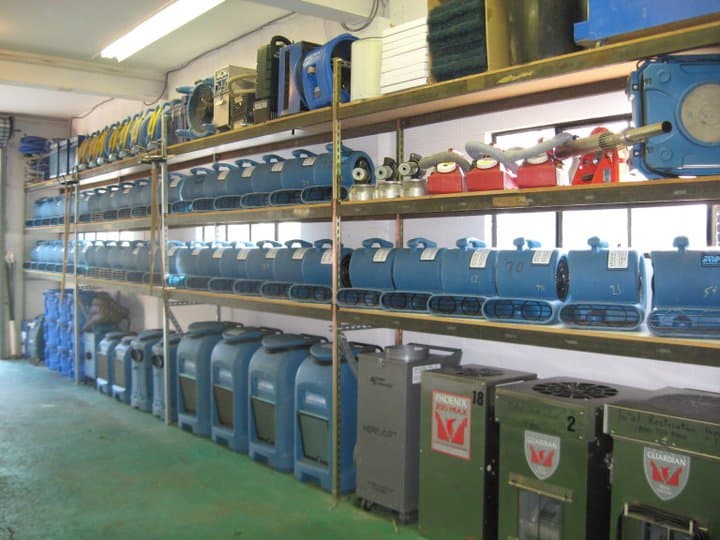
TRC owns truck mounts, portable water extractors, portable pumps, 100+ air movers, and 50+ dehumidifiers. Equipment used on a particular loss depends on the agreed water-damage scope.
We assess and document structural damage
Each scenario below is its own job — different cause, process, and documentation. Tell us which one, or call and we'll figure it out together.
Strong wind can lift or tear vulnerable roof components, and hail can affect roofing, glazing, façades, signage, or rooftop equipment. TRC documents visible property damage and discusses temporary protection and included restoration work. Qualified specialists evaluate roof, glazing, and equipment systems when needed.
Learn moreIce buildup can contribute to water entry at a roof edge or drainage area, and freezing conditions can contribute to pipe or fire-suppression-line losses. TRC documents visible building damage and discusses included water extraction, structural drying, temporary property protection, and repairs. Source control and system decisions remain with the responsible personnel and qualified trades.
Learn moreHeavy rain can enter at ground level, accompany a drain backup, or collect when roof drainage is overwhelmed. The reported source, affected materials, access, and observed conditions inform the extraction and structural-drying scope.
Learn moreTRC discusses project-specific temporary roof protection after weather, access, roof condition, opening size, and other site conditions are considered. A tarp is intended to reduce weather exposure while permanent roof evaluation and repair are addressed; it does not promise a dry or weatherproof building.
Learn moreA tree or wind-driven debris can damage a roof, wall, storefront, or other building area and can leave an opening for water entry. TRC documents the property damage, can perform temporary shoring within its scope, handles small tree work in-house, and coordinates larger tree work. Access and structural decisions remain with the responsible authorities or qualified professionals.
Learn moreA reported strike or surge can involve electrical systems, equipment, fire or soot, exterior building damage, or water entry. TRC documents visible property damage and discusses the building-restoration scope. Licensed electricians, utilities, emergency authorities, equipment providers, and IT providers retain their respective evaluation and system decisions.
Learn moreNot sure which fits? Call 610-489-1650 — describe what you're seeing and we'll take it from there.
Coverage depends on the reported cause, policy terms, exclusions, endorsements, deductibles, limits, and carrier review. We document losses and coordinate with insurance carriers. Your carrier or broker determines coverage.
TRC documents observed damage and the portions of the loss included in its agreed scope. The record may support carrier review; it does not determine cause, coverage, value, settlement, or approval.
We bill your insurance directly. Direct billing is not a coverage decision or a promise that the carrier will pay a charge. Ask TRC about the proposed work and payment terms, and ask the carrier about coverage.
Serving Montgomery, Chester, Berks, Bucks, Delaware, and Philadelphia counties in Southeastern Pennsylvania.
Manage property outside these towns? View all service areas. Call us — 610-489-1650
Worked with us? Leave a review on Google
Weather, roof condition, height, access, utilities, opening size, and other site conditions affect whether temporary roof protection can proceed and what method may be appropriate.
No. TRC does not determine structural stability, electrical safety, occupancy, code compliance, or reopening. Follow emergency-authority, owner, and appropriately qualified professional direction for those decisions.
TRC can perform small tree work and coordinates larger tree work. The project scope must address utilities, access, tree handling, temporary shoring or protection, resulting water damage, and repairs separately.
No. Tarping and board-up are temporary measures selected for site conditions. Their performance can be affected by weather, the damaged surface, access, and later changes at the property.
The owner and appropriate authorities or qualified professionals decide access and operations. TRC can discuss sequencing for the agreed work, but it does not promise continued occupancy, uninterrupted operations, or a reopening date.
A real person answers 24/7.