Commercial Flood Cleanup After Heavy Rain.
Heavy rain can enter at ground level, accompany a drain backup, or collect when roof drainage is overwhelmed. The reported source, affected materials, access, and observed conditions inform the extraction and structural-drying scope.
The source and affected materials change the restoration scope.
Surface water can enter at doors, loading areas, foundation openings, or other low points. Water may also appear at a floor drain or below an overwhelmed roof drain. These reports describe different entry conditions and should not be treated as interchangeable.
Standing water can damage contents, finishes, and building materials. The rate and required work depend on the source, elapsed conditions, materials, access, and site conditions. The restoration assessment does not classify the water or establish that extraction and drying are sufficient for a particular loss.
Identify the reported source before agreeing the work.
Tell TRC where water appeared, what building areas are affected, and whether a facility, plumbing, roofing, or municipal provider has supplied source information.
Record the entry conditions.
Describe whether water entered at grade, appeared at a floor drain, collected below a roof drain, or came through another observed location. Separate direct observations from a provider's diagnosis.
Assess the affected building materials.
We assess and document structural damage. The assessment considers visible water, affected areas, access, and the source information available; it does not establish a water category or concealed source.
Agree extraction and structural drying.
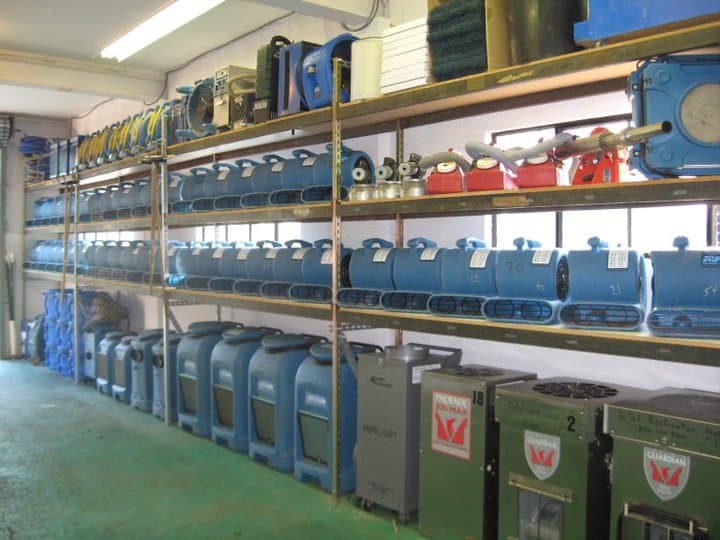
The extraction method and drying scope depend on water depth, access, affected materials, and loss size. Work performed to IICRC S500 standards.
Define source repair and building repairs separately.
Drain, municipal, roof-drain, roof, and site-drainage diagnosis or repair remain separate from the resulting restoration scope unless a specific item is included in the agreement. TRC can manage included rebuild trades under one accountable team.
Report the water location without entering a hazardous area.
Follow facility and emergency procedures. Do not enter standing water near electrical equipment or investigate a drain backup by contact.
Identify the first visible location.
Report the door, loading area, floor drain, low point, roof-drain area, ceiling, or room where water first became visible.
Describe affected areas.
Name visible effects at flooring, walls, inventory areas, equipment areas, and rooms below; do not move or open equipment to investigate.
Report electrical proximity.
Tell the team about standing water near panels, outlets, or powered equipment. Electrical direction belongs to emergency services, the utility, or a licensed electrician.
Share source information.
Provide any findings from facility personnel, a plumber, a roofing provider, or municipal authorities, identifying who supplied each finding.
Source, drying scope, operations, and responsibility.
The source, affected materials, elapsed conditions, access, and observed site conditions influence the work. A floor-drain backup, surface entry, and rain entering near a roof drain should not be assumed to have the same scope.
Report the drain location and any suspected waste-water involvement, and avoid contact with the water. TRC discusses the resulting building-restoration scope; plumbing or municipal-system diagnosis remains with the responsible provider.
TRC does not decide occupancy or continued operations. The owner and appropriate authorities or qualified professionals make those decisions. Work sequencing may be discussed after the source, affected systems, access, and scope are understood.
TRC records the reported source information and documents visible building damage within its scope. Plumbing, municipal, roofing, or site-drainage findings remain with the responsible provider; a visual restoration assessment does not establish the source.
More on commercial storm damage.
Discuss water damage after heavy rain.
Tell us where water appeared, which areas are affected, and what source information is available.