Commercial Smoke, Soot and Odor Cleanup
TRC can assess visible soot and odor conditions, clean affected accessible building surfaces, and select an odor-treatment method for the agreed work. The scope depends on the materials, affected areas, access, and building-system responsibilities at the property.
Observed residue, material type, and air pathways shape the work.
Smoke conditions can differ from room to room and across painted surfaces, masonry, unfinished framing, ceiling systems, and other materials. An odor report identifies an area to assess; it does not select a cleaning or treatment method by itself.
Soot cleaning follows the affected material
TRC identifies accessible building surfaces included in the work and discusses the cleaning approach for those materials. Items outside the building-surface scope need separate responsibility and authorization.
Ductwork is a defined boundary
Accessible duct pathways may be assessed when smoke movement through the system is reported. Duct cleaning can be completed by TRC or a subcontractor when included.
Odor methods are selected for the project
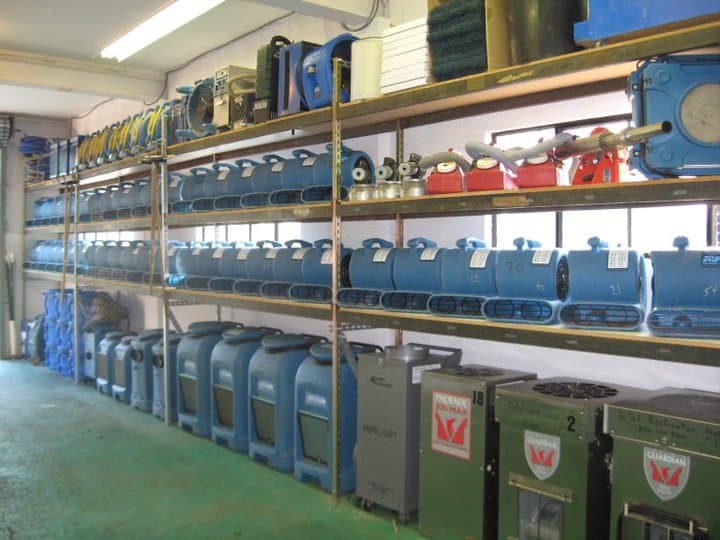
Available odor-treatment methods include ozone, hydroxyl, thermal fogging, and Vapor Shark. The property conditions, affected materials, access limits, and agreed work determine which method is considered.
Separate surface cleaning, ductwork, and odor treatment.
Give TRC the observed locations, system status, access restrictions, and facility contacts needed to define the proposed work.
Identify the affected areas and materials.
Show TRC where soot, film, or odor has been observed and which rooms are available for assessment. The resulting scope should name the accessible building surfaces assigned to TRC.
Set the soot-cleaning scope.
TRC can clean affected accessible building surfaces included in the agreement. The proposed approach should account for the material and observed condition without promising a result for property outside that scope.
Address ductwork separately.
Tell TRC whether the HVAC system operated during or after the incident and which zones serve the affected areas. The agreement should identify any included duct cleaning.
Choose the odor-treatment method.
TRC may use ozone, hydroxyl, thermal fogging, or Vapor Shark as appropriate to the agreed work. Method selection and project controls are determined from the property conditions and treatment area.
Map what was observed and how the building was operating.
A facilities contact can help connect room conditions, building-system information, and access requirements.
List the rooms with residue or odor.
Note where soot, film, or odor was observed without assuming that connected rooms have the same conditions.
Report the HVAC status.
Identify the zones serving those rooms and whether the system operated during or after the incident.
Identify material and access constraints.
Point out sensitive finishes, occupied schedules, locked areas, and other property requirements that affect access or method selection.
Commercial smoke and odor cleanup questions.
TRC assesses observed conditions on accessible building surfaces and discusses which rooms and materials belong in the work. The agreement should identify the included surfaces and any property handled by another provider.
The available methods are ozone, hydroxyl, thermal fogging, and Vapor Shark. Which one is considered depends on the assessed property conditions, affected materials, treatment area, access, and agreed scope.
TRC performs some duct cleaning in-house and may subcontract that work. The agreement should identify the included duct-cleaning scope.
Share the incident location, rooms with visible residue or odor, HVAC operating history, current access restrictions, affected material types, and the contacts responsible for building systems and property decisions.
More on commercial fire & smoke.
Discuss soot cleaning and odor treatment for your property.
Share the affected rooms, observed residue or odor, HVAC status, access requirements, and facility contact.