Commercial trauma and crime-scene cleanup.
After law enforcement, the coroner, or another responsible authority releases the area, TRC confirms access with the property contact, defines the cleanup work it can accept, and documents the completed scope. TRC does not control scene release or reopening.
Keep the handoff focused on access, scope, and documentation.
A property contact needs to know when the area is released, who controls access, and which cleanup and repair tasks are proposed.
Authority-release boundary
TRC does not enter an active scene or handle evidence. Work begins only after the responsible authority releases the proposed work area.
Cleanup and repair scope
TRC identifies accessible affected materials and any related building repair proposed for its work. Concealed conditions may require a documented scope change.
Conditional odor work
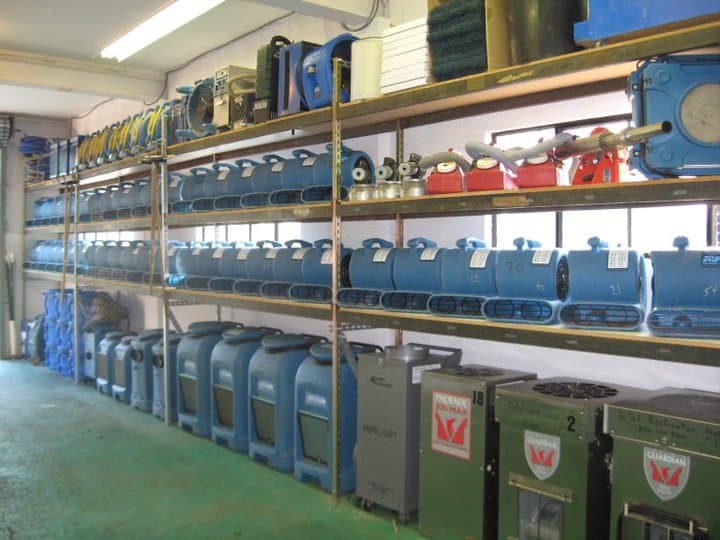
When odor remediation is included, TRC selects from confirmed methods such as ozone, hydroxyl, thermal fogging, or Vapor Shark equipment based on the site and material. Use of a method does not establish an air, odor, or occupancy result.
Confirm release, define the work, and return documentation.
The property contact remains responsible for access and operating decisions; TRC remains responsible for the cleanup and repair work it accepts.
Take only the needed first-call details.
Provide the property contact, release status, access instructions, and a basic description of the affected area. Unrelated personal details are not needed.
Confirm release and scope.
TRC verifies with the property contact that the proposed area has been released, then identifies accessible materials and tasks included in the work.
Perform the accepted cleanup.
Technicians with bloodborne-pathogen training address accessible affected materials using methods selected for the material and condition. When required, off-site transport is coordinated through a licensed subcontracted waste hauler.
Address odor or repair work if included.
Odor methods are selected for the agreed scope and may include ozone, hydroxyl, thermal fogging, or Vapor Shark equipment. If building repairs are included, TRC can manage them. One accountable team from mitigation to rebuild, for repairs included in the accepted scope.
Provide the work record.
TRC documents the completed scope and returns control to the property contact. The owner and any responsible authority decide inspection, access, operation, occupancy, and reopening.
Follow the responsible authority and keep the area undisturbed.
Scene release and emergency response come before property cleanup.
Do not enter an active scene.
Follow law-enforcement, coroner, emergency-response, or other authority instructions. TRC cannot release the area.
Restrict property access after release.
Once the authority permits property control to resume, keep staff, tenants, and customers out until the property contact decides how access will be managed.
Do not assign cleanup to staff.
Leave affected materials undisturbed for the proposed cleanup assessment. Follow the employer's exposure procedure for any suspected contact.
Choose one property contact.
Have one authorized person provide access instructions, receive the proposed scope, and coordinate with any authority still involved.
Questions business owners and property managers ask.
Yes. TRC begins only after the responsible authority releases the proposed work area. TRC does not enter an active scene, handle evidence, or decide that release has occurred.
We need the property contact, release status, access details, and a basic description of the affected area. You do not need to share unrelated personal details.
Provide only the information needed to coordinate the property work. Discuss access and scheduling requirements with the property contact.
Coverage depends on the policy, incident, and carrier decision. We document losses and coordinate with insurance carriers. We bill your insurance directly. Direct billing does not establish coverage.
The owner follows any responsible authority or qualified professional. TRC documents its completed scope but does not make a safety, occupancy, or reopening determination.
More on commercial biohazard.
Call after the responsible authority releases the area.
Tell us who controls access and what part of the property needs to be assessed.