After the water dries, mold moves in.
The flood is the first event; mold is the second. Materials that got wet and weren't fully dried become exactly what a colony needs. We remediate what's grown and dry the structure to a measured standard — so the water damage doesn't become a mold problem.
Wet materials that were never dried are the setup.
After a flood or water loss, mold can begin establishing within a day or two on anything that stayed wet — and the trap is that the surface can look dry while the wall cavity, subfloor, and insulation behind it are still soaked. A room that was pumped out but never properly dried is prime ground for a colony you won't see until it spreads.
This is why 'the water's gone, we're fine' is the assumption that turns a water job into a mold job. The fix is the same discipline either way: find every place the water traveled, dry it to a proven number, and remediate anything that already grew — so there's no lingering moisture left to feed the second wave.
Signs the second wave has started.
Post-flood mold shows up weeks after the water's gone, when everyone assumes the job is finished. If you had a water loss and notice any of these, it's worth a look.
A musty smell weeks after the flood
An odor that appears once things "dried out" usually means moisture stayed trapped and mold has started in the cavity.
Staining that returns on walls or trim
Discoloration bleeding back through paint over a previously wet area points to lingering moisture and growth behind it.
Buckling floors or soft baseboards
Materials that swell, warp, or stay soft after a flood are still holding water — and feeding whatever grows in them.
A dry-out that skipped the readings
If the water was pumped out but nobody measured the structure dry, hidden moisture may still be there feeding mold.
Remediate what grew, dry what’s still wet.
Our own crews handle emergency mitigation start to finish. For rebuilds, we manage every trade under one accountable team. We manage post-flood remediation from moisture mapping through verification.
We map where the water went
Thermal imaging and moisture meters trace every cavity, subfloor, and joist bay the flood reached. Dry-looking doesn't mean dry — the reading decides.
We contain the affected area
Containment barriers and negative-air machines seal the work zone so spores from mold-affected materials don’t spread to the clean, dry parts of your home.
We remove and dry to a standard
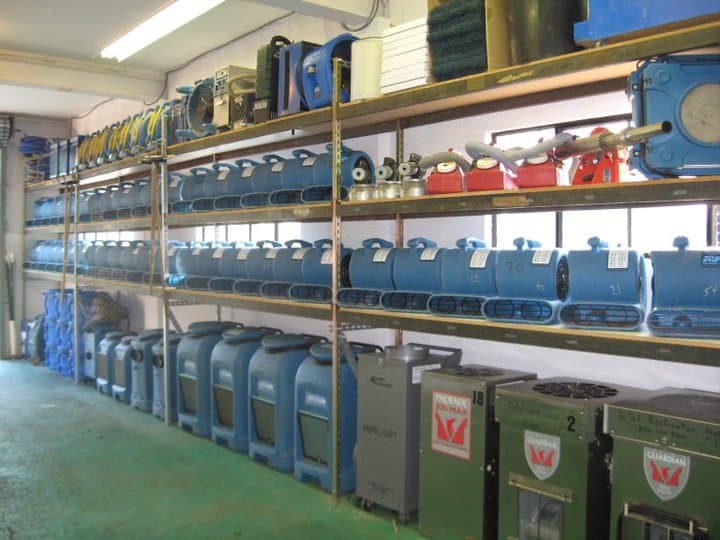
Mold-affected materials come out under containment with HEPA air scrubbers running, and commercial dehumidifiers and air movers dry the structure to a measured standard, tracked on a moisture log.
We treat and can arrange verification
We treat affected materials and protocol-specified surfaces and can arrange independent third-party post-remediation verification when appropriate.
Post-flood mold questions, honestly answered.
Given wet materials and something to feed on, mold can begin establishing within about 24 to 48 hours. That's why drying speed matters so much after a water loss — the window between wet and mold is short, and hidden moisture keeps it open.
Possibly. Standing water being gone isn't the same as the structure being dry. Wall cavities, subfloors, and insulation can hold moisture long after the surface looks fine, and that's exactly what feeds post-flood mold. A moisture reading is the only way to be sure.
Yes. Our own crews handle emergency mitigation start to finish. For rebuilds, we manage every trade under one accountable team. Moisture mapping, structural drying, and mold remediation stay on one schedule because water damage is often the root cause.
We dry to a measured standard and track it on a daily moisture log, so the moisture readings document the drying progress. When appropriate, we can also arrange independent third-party post-remediation verification before close-up.
It depends on the cause of the water. Mold that follows a sudden, covered loss — like a burst pipe or storm intrusion — is often covered as part of the claim; mold from long-standing, unaddressed water usually isn't. We document the source and moisture carefully, because that's what decides your claim.
More on mold remediation restoration.
Explore More
Restoring Your Life Back To The Way It Should Be.
Don't let a water job become a mold job.
A real person answers 24/7.